Most retail and gym loyalty programs in 2026 still run on a magnetic stripe because the swipe readers are already bolted to the counter — picking the wrong stripe spec or card stock is why half of those cards stop reading inside a year.
- HiCo (4,000 Oe) magnetic stripe cards are the buy for daily-swipe loyalty programs in 2026 — LoCo degrades too fast near phones and keys.
- The Bodno A-Series Magnetic Stripe Encoder Module ($499) turns a compatible ID card printer into an on-demand loyalty card station.
- Dual-track (Track 1 + Track 2) encoding covers nearly every retail POS system running in 2026; skip triple-track unless your processor requires it.
- Composite PVC/PET card stock outlasts plain PVC by a wide margin in high-frequency loyalty programs.
- LoCo (300 Oe) cards cost less per unit but belong in short promotional runs, not year-round membership programs.
Why this matters
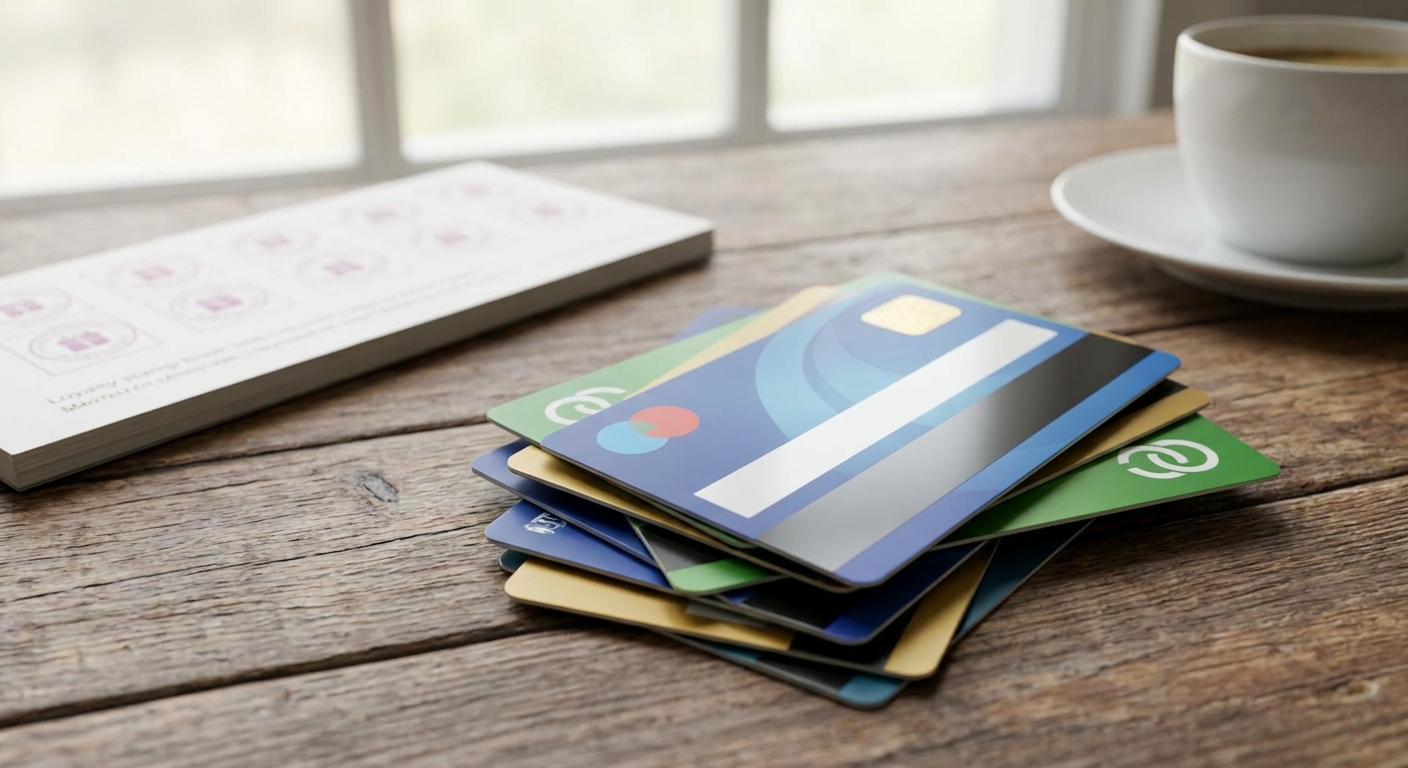
Loyalty cards get swiped more than any other card in a customer's wallet — daily at the coffee shop, weekly at the gym, every checkout at the grocery counter. EMV chip and tap-to-pay dominate payment cards, but most POS systems built for loyalty and membership tracking in 2026 still read the magnetic stripe because it's cheaper to encode and doesn't need a chip-capable reader.
The failure mode is predictable. A card sits against a phone case or a ring of keys for six months and the stripe simply stops reading. Getting the coercivity and card stock right up front is the difference between a loyalty card that survives a full renewal cycle and one that fails at the register in month four.
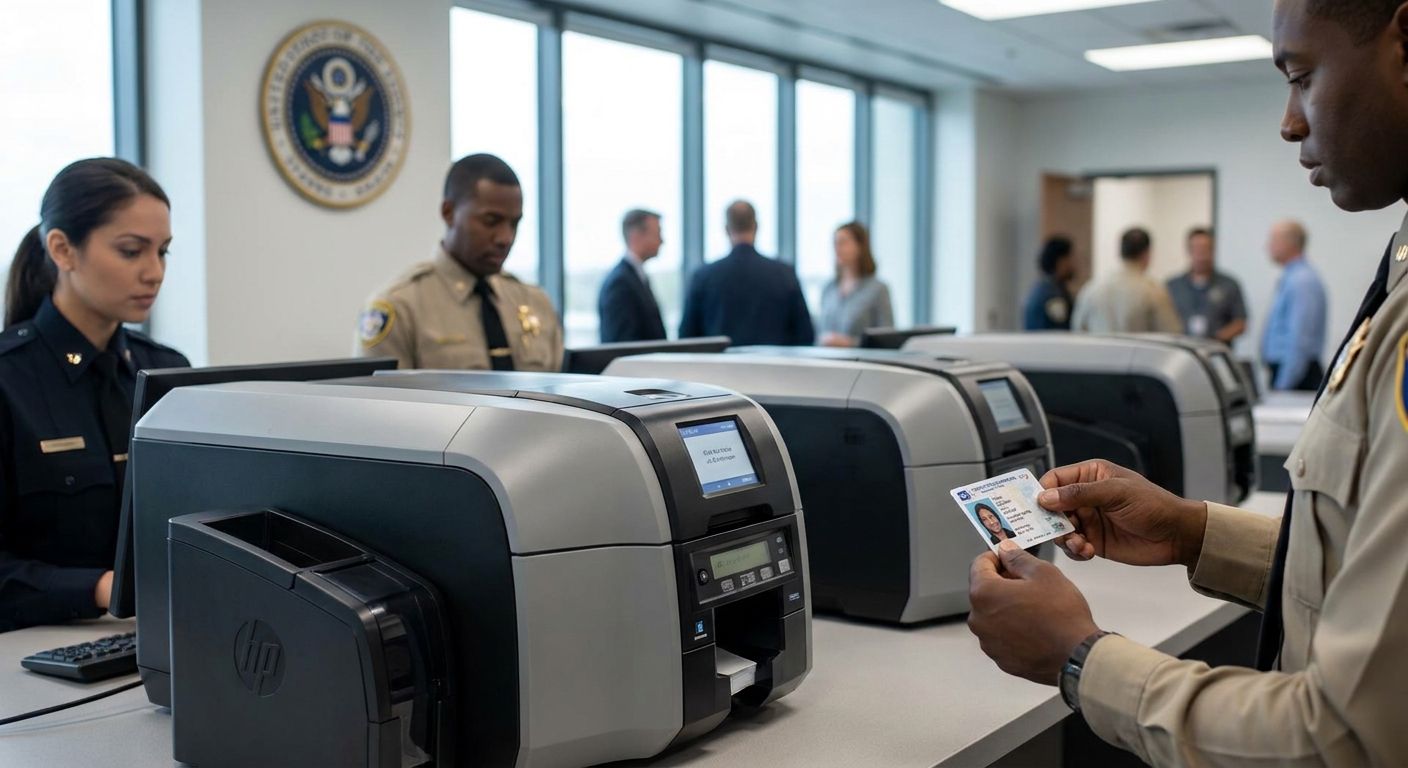
Bodno prints and encodes both consumer-facing loyalty cards and back-office badges on the same ID card printer hardware, so the specs below apply whether the program covers one storefront or fifty.
How we ranked
The ranking below weighs four factors: stripe durability under repeat swiping, compatibility with standard retail and gym POS readers, cost per card at typical loyalty-program volumes (500 to 5,000 cards a year), and whether the card can be encoded in-house instead of shipped from a third-party card bureau.
Coercivity ratings in Oersteds (Oe) come from stripe manufacturer specs that have held steady across the ID card industry for two decades. Card stock and encoder compatibility come from Bodno's printer and encoder catalog as it stands in 2026. This ranking doesn't weigh RFID or NFC alternatives against magnetic stripe — those solve a different problem at a different cost, and swapping technologies mid-program means re-badging every member.
Magnetic stripe cards and encoding options, ranked
1. HiCo (4,000 Oe) magnetic stripe cards — the workhorse pick
High-coercivity stripes are rated around 4,000 Oersteds, the standard for cards that get swiped daily and carried against phones or key rings. A HiCo stripe resists accidental erasure far better than LoCo, which is why transit systems, banks, and high-frequency loyalty programs default to it. The tradeoff is a slightly higher per-card cost, and the encoder has to support the stronger magnetic field. For any program expecting more than a handful of swipes a month, this is the Buy.
2. LoCo (300 Oe) magnetic stripe cards — the promo pick
Low-coercivity stripes sit around 300 Oersteds and cost less to encode because the writer needs less power to set the field. They're the right call for a 90-day promo card, a one-time punch card, or a giveaway batch where card life doesn't need to outlast the campaign. Leave a LoCo card in a wallet next to a phone for a season and the stripe degrades noticeably faster than HiCo. Hold LoCo for short-run campaigns only — for a year-round membership card, it's a Skip.
3. Composite PVC/PET card stock — the durability wildcard
Composite cards laminate PVC over a polyester (PET) core, and they hold up to far more flex and swipe cycles before the card or the stripe cracks. Gyms and transit-style loyalty programs that see a card swiped several times a week get real gains in card life from composite stock over plain PVC. The catch is cost — composite runs higher per card, and not every direct-to-card printer feeds it without a hopper adjustment. If members swipe more than once a week, this is the Buy; for annual-renewal cards, plain PVC does the job.
4. Dual-track (Track 1 + Track 2) encoding — the safe pick
Track 1 carries alphanumeric data like name and account number; Track 2 carries the numeric-only data most POS and loyalty software actually reads at the register. Encoding both tracks covers essentially every retail and loyalty POS system running in 2026, and it costs no more to program than a single track. Cutting to single-track to save a step just produces a card that some systems can't read at all. Dual-track is the Buy for any program integrating with third-party POS or loyalty software.
5. Triple-track encoding — the niche pick
Track 3, a read-write track instead of read-only, shows up in transit fare systems, some access-control setups, and a handful of legacy financial terminals — it's rare in retail loyalty. Encoding it adds cost and requires a head that supports a third read-write channel, which most loyalty-focused printer bundles skip. Unless a payment processor or POS vendor specifically requires Track 3, it's an unnecessary spec for a standard loyalty card. Skip it.
6. On-demand encoding with an in-house magstripe module — the buy-once system
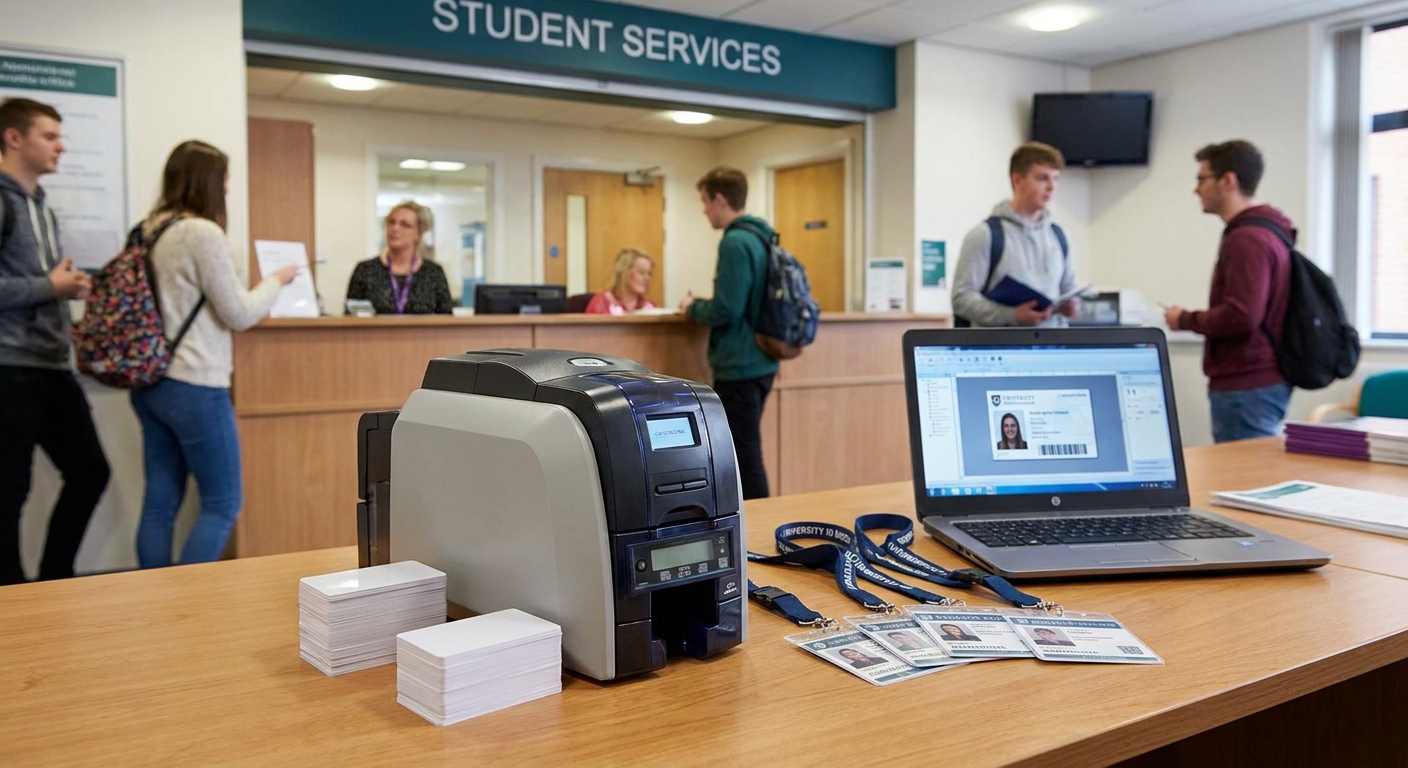
Sending card orders to an outside bureau every time a batch needs reordering adds a week of lead time and a per-card markup. The Bodno A-Series Magnetic Stripe Encoder Module attaches to compatible A-Series printers and encodes HiCo or LoCo stripes in the same pass the card gets printed, so a loyalty card goes from blank to swipe-ready in one run. It pairs with the printers covered in Bodno's guide to ID card printers for small businesses, which run the same encoding hardware. For any business issuing more than a few hundred loyalty cards a year, in-house encoding beats outsourcing on both cost and turnaround — Buy.


Comparison: stripe type and card stock
| Spec | Detail | Best for | Verdict |
|---|---|---|---|
| HiCo stripe | ~4,000 Oe | Daily-swipe loyalty programs | Buy |
| LoCo stripe | ~300 Oe | Short promo runs under 90 days | Hold |
| Composite PVC/PET | PET core, PVC laminate | Multiple swipes per week | Buy |
| Plain PVC | Single-layer | Annual-renewal cards | Hold |
| Dual-track encoding | Track 1 + Track 2 | Any POS integration | Buy |
| Triple-track encoding | Adds Track 3 | Transit/legacy finance only | Skip |
Where to buy magnetic stripe cards and encoding hardware
- Match the encoder to the printer family before ordering — an A-Series encoder module only fits an A-Series printer body, not a different chassis.
- Order HiCo stock in the exact track configuration your POS vendor specifies in writing, before the first batch ships, not after cards start failing at the register.
- Buy composite stock only when the program swipes weekly or more; otherwise the price premium over plain PVC doesn't pay back in card life.
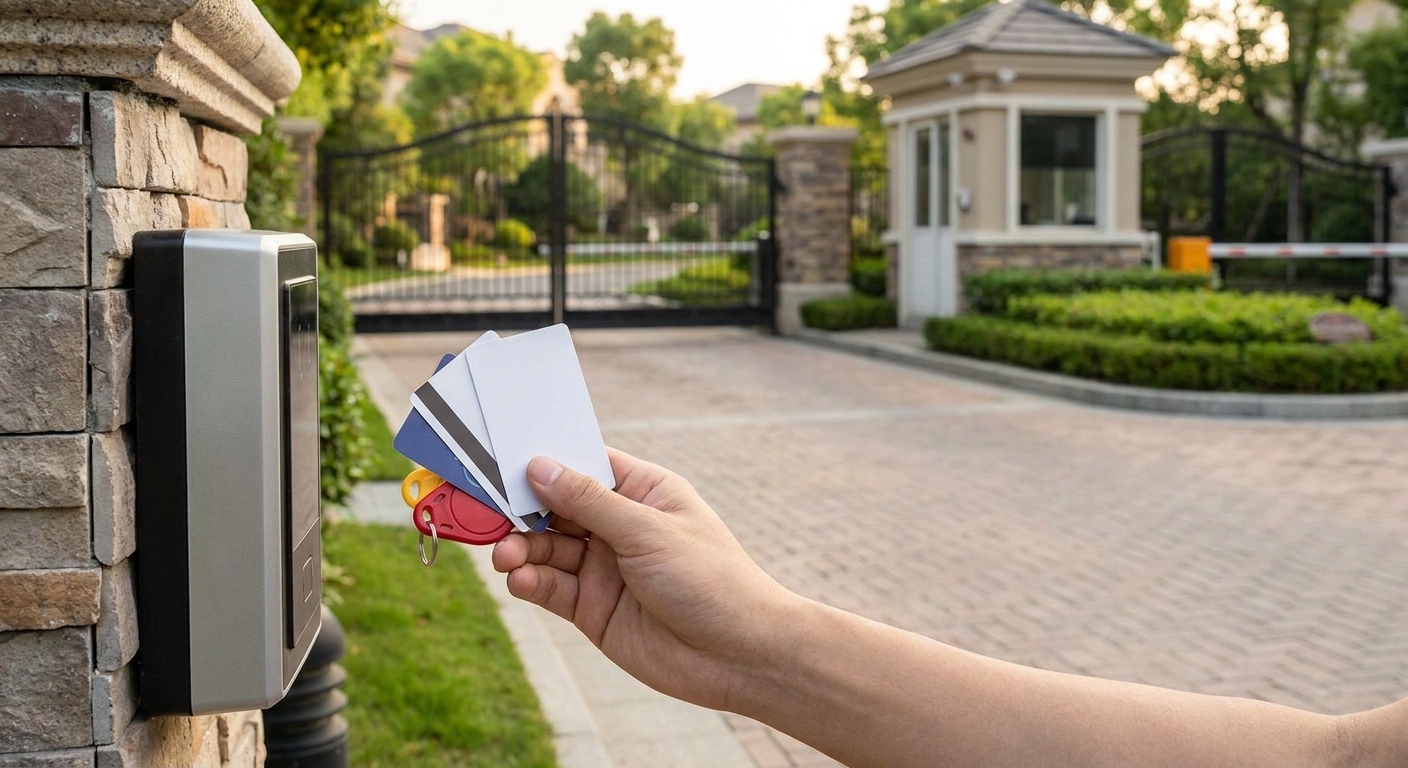
If the program tracks building access instead of purchases, compare magnetic stripe against proximity cards for office access control — the two technologies solve different problems, and picking the wrong one means a re-badge project a year in.
“A magstripe card that fails on the first hundred swipes was never encoded for retail volume.”
FAQ
What's the best magnetic stripe card for a loyalty program in 2026?
HiCo (4,000 Oe) dual-track cards on composite or PVC stock are the best magnetic stripe cards for loyalty programs in 2026 for any program with regular repeat swipes. LoCo works only for short promotional runs under 90 days.
Is HiCo or LoCo better for loyalty cards?
HiCo is better for loyalty cards because its stripe resists erasure from phones, keys, and magnets far longer than LoCo. LoCo only makes sense when the card's useful life is a single short campaign.
How much does it cost to encode a magnetic stripe card in-house?
An in-house setup starts with a one-time encoder cost, such as Bodno's $499 A-Series Magnetic Stripe Encoder Module, plus the per-card cost of blank stock and ribbon. Outsourcing to a card bureau avoids the hardware cost but adds a per-card markup and shipping lead time on every reorder.
Do magnetic stripe cards still work with modern POS systems in 2026?
Yes, most retail and gym POS systems in 2026 still read magnetic stripe alongside EMV chip and contactless, especially for loyalty and membership lookups rather than payment. Stripe reading hardware is cheaper to install and maintain than chip-capable readers.
How many swipes does a magnetic stripe card last?
A HiCo stripe on composite PVC/PET stock holds up through far more swipe cycles than a LoCo stripe on plain PVC. Exact swipe counts vary by manufacturer and handling, but coercivity and card stock are the two biggest factors in stripe life.
Should a loyalty program use magnetic stripe or proximity cards?
Magnetic stripe fits purchase-tracking loyalty programs that swipe at a checkout terminal; proximity cards fit building access control that taps a reader instead of swiping. Mixing the two technologies for one program usually means running two separate card stocks.
Can one printer both print and encode a loyalty card?
Yes, a single-pass printer with a magnetic stripe encoder module attached prints the card design and encodes the stripe in one run. This is how in-house loyalty card programs skip the separate encoding step a card bureau would otherwise charge for.
What track format do most retail loyalty programs use?
Dual-track encoding, Track 1 plus Track 2, covers nearly every retail and loyalty POS system in 2026. Triple-track is reserved for transit fare systems and a small number of legacy financial terminals.
One last thing
Print the member number in human-readable text under the stripe on every loyalty card. When a stripe demagnetizes at the register, a cashier who can key in that number manually saves the transaction instead of comping it — that one line of text prevents more lost sales than any stripe upgrade on this list.